Omnichannel Is Not About Being Everywhere. It Is About Being Connected
Knect for Modern Businesses: Why Omnichannel Means Staying Connected
For many modern businesses, omnichannel sounds like a race to be everywhere at once. Email. Website chat. Facebook Messenger. Viber. WhatsApp. SMS. The assumption is simple: the more channels you use, the better the customer experience. But that is not really what omnichannel means.
Real omnichannel is not about adding more platforms for the sake of visibility. It is about making every customer touchpoint feel connected. It is about creating a consistent experience across channels so customers do not feel like they are starting over each time they interact with your business.
That is where many businesses struggle. They may already be active across multiple channels, but the customer journey behind those channels often feels disconnected. Messages live in separate tools.
Follow-ups are inconsistent. Teams work with partial information. Customers repeat themselves. The result is friction on both sides. Knect, powered by Odoo, was built to solve that gap.
As a customer communication platform, Knect brings together omnichannel engagement, lead capture, real-time conversations, and analytics into one connected system for modern businesses. That positioning and feature direction are consistent across Knect’s product and marketing materials.
Omnichannel is Not the Same as Multichannel
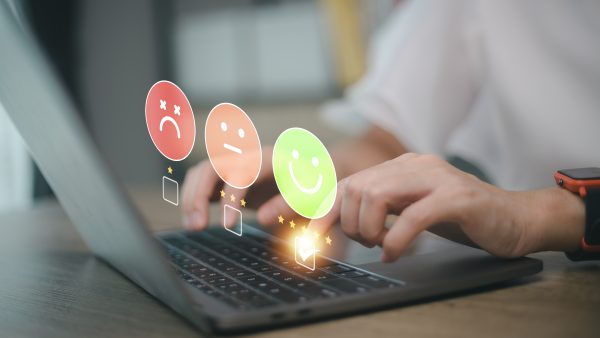
A lot of businesses use “multichannel” and “omnichannel” as if they mean the same thing. They do not. Multichannel simply means your business is present on more than one platform.
You might run email campaigns, respond to social media inquiries, use website forms, and message customers through mobile channels. Each channel exists, but they may still operate independently.
Omnichannel goes further. It connects those touchpoints into one smoother experience. That means when a customer discovers your business on social media, sends an inquiry through chat, follows up through messaging, and later speaks to your team again, the context should still be there.
The customer should not have to repeat their concern. Your team should not have to piece together the story manually.
This difference matters because customers do not think in channels. They think in outcomes. They want answers, clarity, and continuity. They expect businesses to keep up with the flow of their journey, even when that journey moves across platforms.
Why Connected Journeys Matter
The real value of omnichannel is not a broader reach. It is better continuity. A customer journey does not usually happen in one place anymore.
A prospect may see your ad on social media, click on your website, ask a question through live chat, and later continue the conversation on another channel. If those touchpoints are disconnected, your team sees fragments. If they are connected, your team sees the full journey.

That visibility changes everything. It makes it easier to respond with context. It improves follow-ups. It reduces duplicated effort. It creates a more consistent customer experience. It also gives internal teams a clearer view of what is actually happening across the funnel.
This is especially important for businesses that are trying to build or improve a customer journey map. A customer journey map example can look neat in a presentation, but if the real experience across channels is still fragmented, the map does not reflect reality.
The goal is not just to document customer touchpoints. It is to connect them. That is what makes omnichannel useful in practice. It turns separate moments into one coherent journey.
Where Businesses Usually Get Stuck
Most businesses do not struggle because they lack channels. They struggle because the systems behind those channels do not talk to each other.
Marketing may be running campaigns in one tool. Customer conversations may be happening in another. Leads may be tracked in a spreadsheet, a CRM, or sometimes both. Reporting may show clicks, opens, or traffic, but not the full path from inquiry to response to outcome.
That disconnect creates familiar problems. Teams miss inquiries because messages are scattered. Response time slows down because no one has the full picture. Ownership becomes unclear because conversations are spread across platforms. Customers get inconsistent answers because history is not visible to everyone who needs it.
Knect directly addresses this kind of fragmentation. It’s a platform that unifies lead capture, omnichannel engagement, centralized conversation history, real-time conversations, and reporting into a single system for mid-market and SME businesses.
Why Knect, Powered by Odoo, is a Strong Fit
For modern businesses, the challenge is not just reaching customers. It is managing conversations and follow-ups in a way that feels connected. That is where Knect, powered by Odoo, comes into play.
Knect combines one-to-many marketing with one-to-one conversations, helping businesses connect outreach, engagement, and customer communication more clearly. Its broader direction is to move beyond the idea of a traditional CRM or standalone marketing tool and position itself as a customer communication platform first.
Odoo helps support that model. Odoo officially offers integrated CRM, marketing automation, live chat, helpdesk, and WhatsApp-related capabilities, making it a strong base for connected customer workflows.
Odoo’s chats can be turned into leads, live chat can qualify visitors, helpdesk can connect channels like WhatsApp, live chat, and email, and marketing automation can trigger timed campaign actions.
Knect, powered by Odoo, gives businesses a more connected way to manage customer journeys without forcing teams to stitch everything together manually.
What this means for customer journey mapping
Businesses often ask how to create a customer journey map, but the real question should be: how do we create one that reflects how customers actually move? A useful journey map starts with the real flow of interaction.
Where do customers first discover your business? Where do they ask questions? Where do they drop off? Where do conversations shift channels? Where does your team lose context?
Those are the questions that matter because they reveal where the connection breaks down.
A strong user journey map or customer journey map template should not only show the stages of awareness, consideration, and decision. It should also show the handoffs between channels and the operational gaps behind them. That is where improvement happens.
This is one reason connected platforms matter. When conversations, lead history, and channel interactions are visible in one place, businesses have a better chance of building a journey map based on reality rather than assumptions.
Knect supports that more practical view by helping teams connect interactions across entry points and tie them back to visibility and performance.
Omnichannel is really about consistency
At its core, omnichannel is about consistency: Consistency in how your business communicates. Consistency in how your team follows up. Consistency in how customer context is preserved across platforms.
Customers do not care how your internal systems are organized. They care that the experience feels smooth. They care that your team remembers previous interactions. They care that they can move from one channel to another without having to repeat themselves or wait too long for a response.
That is why omnichannel matters more now. Customer expectations are shaped by convenience. They expect businesses to be easier to reach, faster to respond, and more consistent across touchpoints. Businesses that cannot connect the journey behind the scenes will find it harder to keep up.
The Takeaway
Omnichannel is not about being on every platform just to say you are there. It is about creating a connected customer experience across the channels that matter to your business and your audience.
It is about making sure your team sees one journey instead of scattered interactions. It is about turning customer communication into something more consistent, more visible, and easier to manage.
That is the bigger opportunity behind Knect, powered by Odoo. Instead of adding more disconnected tools, businesses can build a clearer system for lead capture, conversations, engagement, and follow-through. And when those pieces finally work together, omnichannel stops being a buzzword and starts becoming a practical advantage.
Ready to make your customer journeys more connected?
Knect, powered by Odoo, helps modern businesses unify conversations, lead capture, and customer engagement across channels in one clearer system. Book a free demo with us to see how Knect can help your team create more connected customer experiences.
Related posts
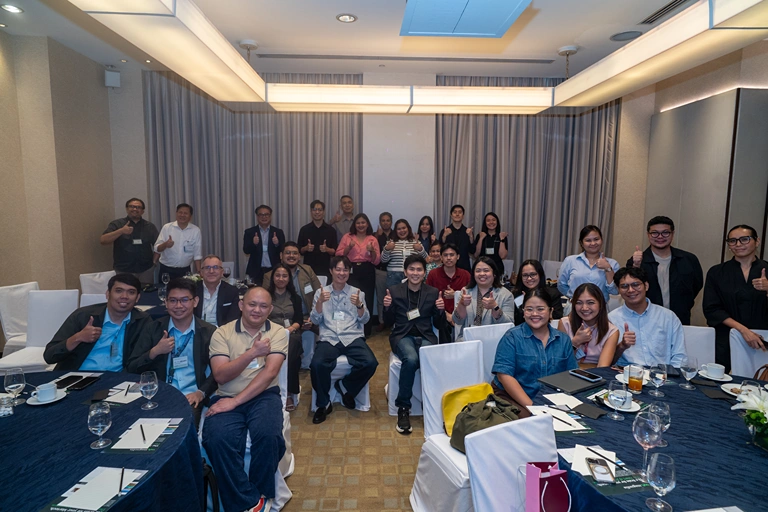
Beyond Traffic: Key Takeaways on AI Analytics, Content Experiences, and Digital Conversions
Beyond Traffic was an event hosted by Kpability and Magnolia on September 24, 2026, at Fairmont Makati, bringing…

Zoho CRM vs Odoo CRM: Which Is Better for Growing Businesses in 2026?
If you are comparing Zoho CRM and Odoo CRM, the short answer is this: Zoho CRM is the…

Odoo vs Salesforce for Mid-Sized Businesses: Which CRM Offers Better Value in 2026?
If you are comparing Odoo and Salesforce for a mid-sized business, the short answer is this: Salesforce is…